 LadderCage
Factory-Direct Fiberglass Cage Ladder
Fiberglass Cage Ladder
Fiberglass, FRP and GRP cage ladders — non-conductive and corrosion-proof. EN ISO 14122-4 compliant with DoC; power plant and water treatment project references.
Years Manufacturing
Countries Exported
Projects Delivered
Quote Response
Fiberglass Cage Ladder Applications & FRP/GRP Options
FRP Cage Ladder Options
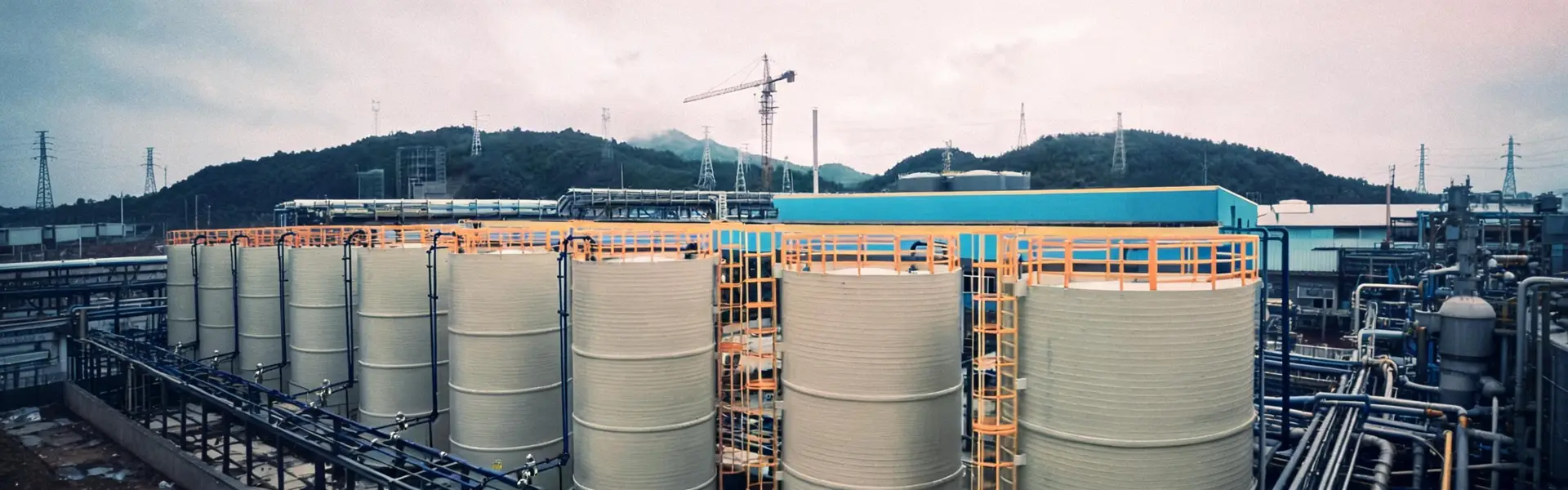
Power Plants
Non-conductive FRP/GRP cage ladders for switchyards, cooling towers and boiler access — no electrical hazard near live equipment.
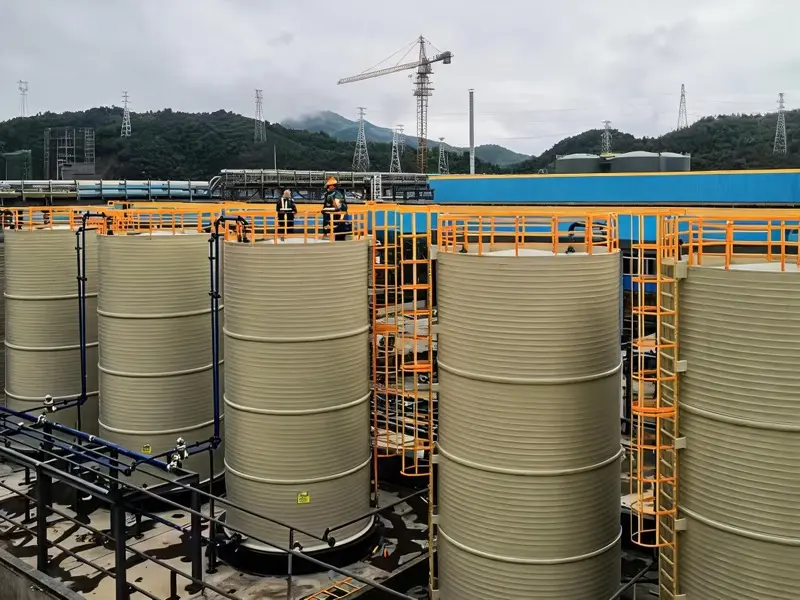
Water Treatment
Corrosion-proof access for clarifiers, basins and pump stations in municipal and industrial water treatment plants.
Corrosive Environments
Chemical, marine and wastewater facilities where galvanized and stainless steel corrode — FRP/GRP stays maintenance-free.
FRP Pultruded
Pultruded fiberglass with UV-stable resin for outdoor service. Non-conductive rails and rungs with a smooth, low-maintenance finish.
GRP Molded
Molded GRP for high-corrosion duty. Thick walls, integral color and no painting needed across the full ladder and cage assembly.
Custom FRP Heights
Any height up to 25 m single-run, with multi-run systems and rest platforms beyond that. Custom widths and walk-throughs are standard.
Specifications
GRP Cage Ladder Specifications
Every fiberglass cage ladder is made-to-order with the engineered parameters below.
Get My FRP Quote| Specification | Value |
|---|---|
| Rung Diameter | Φ20 mm |
| Rung Spacing | 280 mm (≤300 mm) |
| Clear Width | 500 mm |
| Cage Diameter | Φ700 mm (hoops 40×5 @≤1500) |
| Cage Start | 2.2 m above floor |
| Load Rating | 1.5 kN per rung |
| Material | FRP / GRP — non-conductive, corrosion-proof |
| Standards | EN ISO 14122-4 |
Compliance Docs: DoC & Material Spec Review
Compliance & Documentation (EN ISO 14122-4)
No chasing paperwork after delivery — every fiberglass cage ladder ships with its compliance file and material spec review.
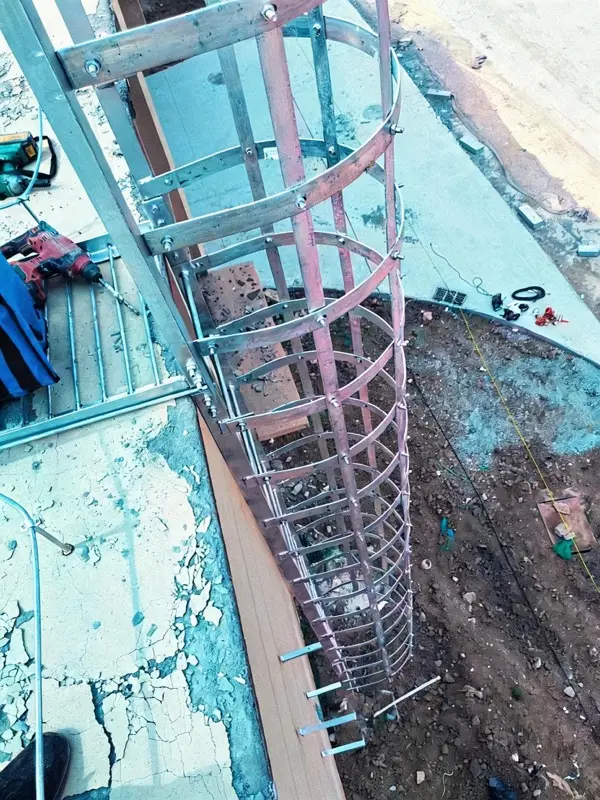
- DoC — EN ISO 14122-4
Declaration of Conformity for permanent means of access to machinery
- Free Material Spec Review
Engineers confirm FRP/GRP spec, dielectric and corrosion performance for your site
- Project References
Power plant and water treatment installations, de-identified for your review
Factory-Direct Fiberglass Cage Ladder Pricing
Fiberglass Cage Ladder Pricing & Free Quote
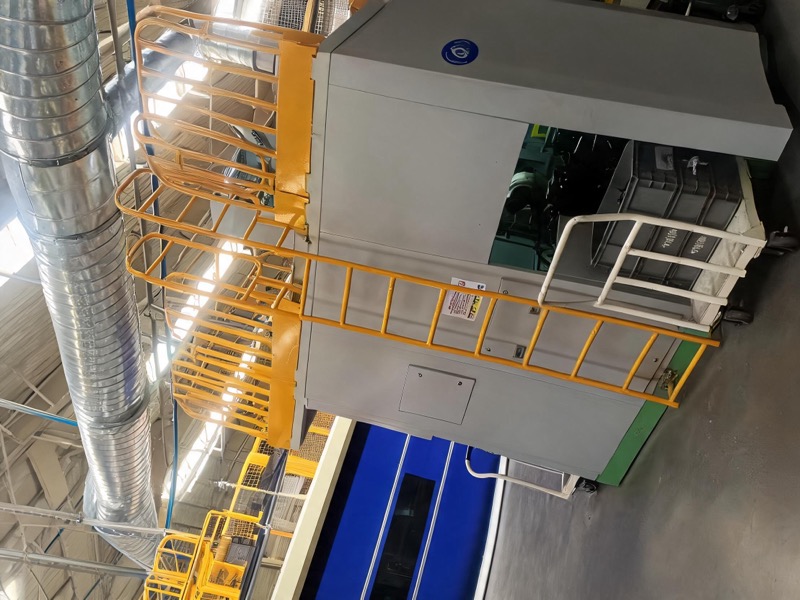
Buy direct from the factory with an itemized quote in 24 hours and a free material spec review — no distributor markup, no hidden fees.
Factory-Direct
Quote direct from the production floor — material, machining and finishing line by line.
Free Material Review
Free FRP/GRP spec and dielectric review before you commit — at no cost.
15–25 Day Production
Clear lead time on every quote, with logistics options for export worldwide.
Get a Fiberglass Cage Ladder Quote
Get My FRP Quote
Free quote in 24 hours with a free material spec review. Tell us your application, height and FRP/GRP requirements — an engineer replies within 24 hours.
- 24h itemized quote
- Free material spec review
- EN ISO 14122-4 DoC included
Corrosion Selection
FRP Cage Ladder — Corrosive Environment Matrix
FRP and GRP profiles are dielectric, non-sparking and corrosion-proof, which makes them the default choice where metal fails — but the resin and UV-stabilizer grade must be matched to the duty. The matrix below shows where fiberglass earns its premium and where galvanized steel at $95/m remains the smarter buy. Send us the chemical environment and we confirm the grade in the free spec review.
| Environment | Specified Material | Reason |
|---|---|---|
| Chemical plant, acid vapour | FRP / GRP | Corrosion-proof; no coating to attack |
| Electrolytic and chlor-alkali lines | FRP / GRP | Dielectric and non-sparking by nature |
| Coastal and marine exposure | FRP / GRP or aluminium | Salt air ruins coatings; FRP grade-checked for UV |
| Wastewater and water treatment | FRP / GRP | Constant humidity without maintenance |
| Power and substation access | FRP / GRP | Electrical isolation protecting climbers |
| Dry inland, non-corrosive plant | HDG steel | Lowest first cost; ISO 1461 85–100 μm |
The Verdict Table
Choose FRP When — Choose Steel When — No Gut Feel
Fiberglass is the right answer often enough that we build it, and wrong often enough that we will talk you out of it. The verdict rows below are how our engineers actually decide, with the price anchors you need to sanity-check any of them. And because the most expensive ladder is the one specified one grade too low or one grade too high, the error table underneath shows where the budget usually bleeds.
| If Your Site Is… | Order | The Reason That Decides It |
|---|---|---|
| Chlorine dosing, plating lines, acid pickling | FRP cage ladder | metal of any grade is on a countdown there; FRP is corrosion-proof, not corrosion-rated |
| Transformer yards, switchgear rooms | FRP cage ladder | dielectric profile — the climb cannot become a circuit path |
| Dry inland plant, budget-led | HDG steel at $95/m | ISO 14713 gives the zinc 20–35 years in rural air — a premium buys nothing there |
| Food plant, daily caustic washdown | SS304 at 1.8x | metal survives the foam and the hygiene auditor recognises it |
| Surf spray, brine mist | SS316 at 2.5x or engineered FRP | the only two builds that treat salt air as routine |
| Over-Spec / Under-Spec Error | What It Costs You | Correction |
|---|---|---|
| FRP specified site-wide for prestige | project-priced profiles on climbs HDG would serve for $95/m | zone the site: FRP only where chemistry or voltage lives |
| UV-stabilizer grade ignored on high-sun export sites | resin chalks and fibres bloom years early | state the sun exposure — we match the stabilizer grade and write it into the quote |
| Metal-grade thinking applied to FRP sizing | deflection surprises — FRP stiffness is not steel stiffness | we run the structural calc for your load before any price is issued |
| Assuming maintenance-free means inspection-free | a loose bracket found by an incident instead of a walk-round | keep the annual visual check in your plan; we tell you what to look at |
Feature to Outcome
What the FRP Cage Ladder Hands You on Day One
Five features, five outcomes your maintenance budget will feel within the first inspection cycle.
| Feature | Advantage | Your Outcome |
|---|---|---|
| Full dielectric profile, cage included | no conductive path from climber to equipment | substation access signed off without isolation procedures |
| Corrosion-proof resin system | acids and chlorines that eat metal do nothing here | the replacement column in your CAPEX sheet stays blank |
| UV-stabilizer grade matched to your sun | chalking and fibre bloom engineered out, not hoped away | the ladder still reads compliant at inspection year five |
| Structural calc run before pricing | deflection designed for your load, not assumed | the quote you receive is buildable as drawn, first time |
| 24 h project quote with grade stated | resin and stabilizer named, not "FRP, type TBD" | you compare offers on chemistry, not adjectives |
Fiberglass Cage Ladder FAQ
Related Cage Ladder Pages
All Cage Ladders
Browse by type, material & application
Fiberglass Ladder With Cage
Complete FRP/GRP ladder + cage system
Aluminium Cage Ladder
Lightweight, corrosion-resistant aluminium
Galvanized Cage Ladder
HDG ISO 1461, 85–100 μm
Standards Hub
OSHA, EN ISO, BS, AS requirements
Get a Quote
24h itemized quote